Same Poses, Different Results: Why Intention Matters in The New Yoga
Rob Walker | DEC 20, 2025
Same Poses, Different Results:
Why Intention Matters in The New Yoga
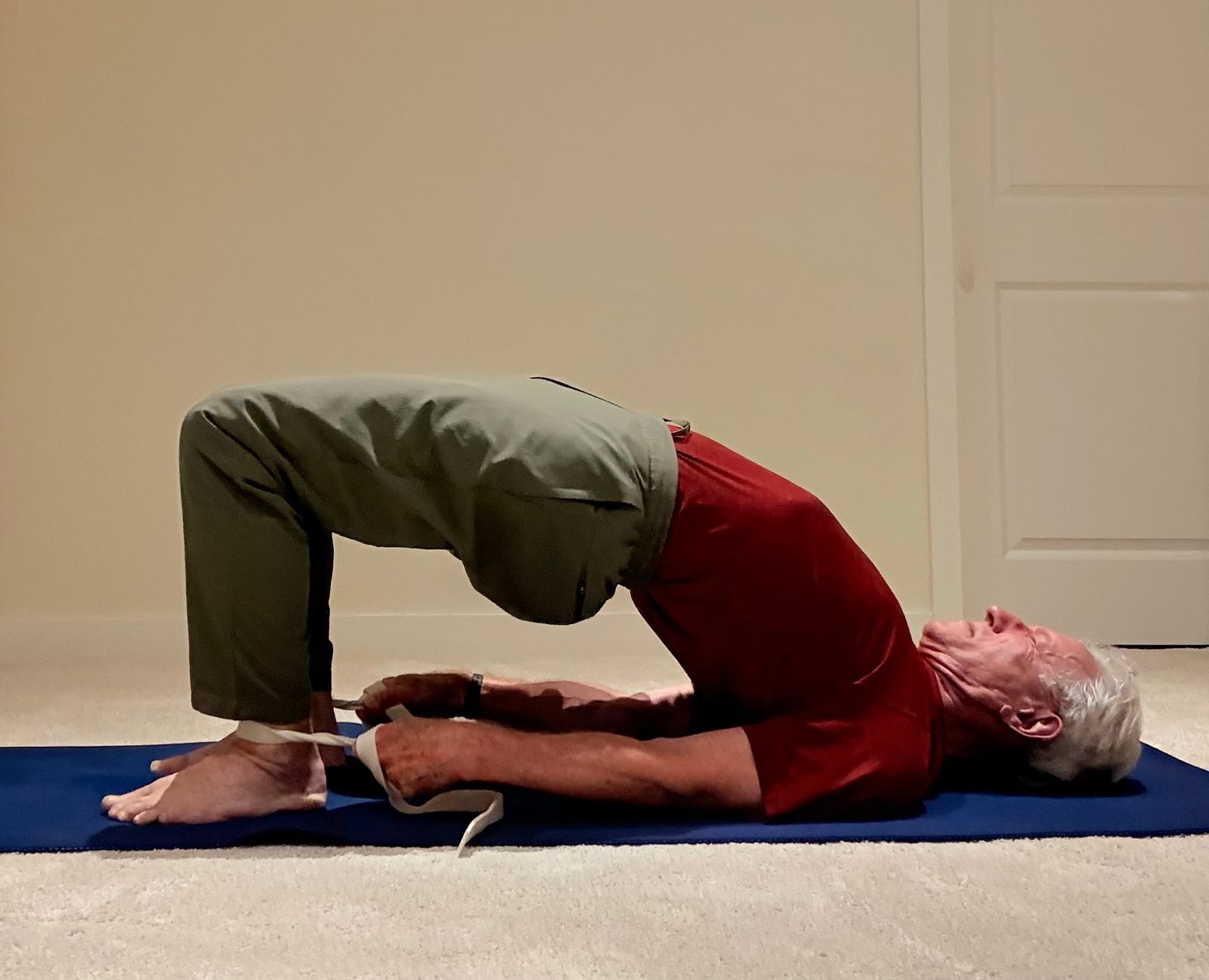
Same Bridge Pose - Different Intention
For many years, I’ve taught yoga classes that often revisit the same core postures, often with a different theme — strength, balance, stability, breath, or mobility etc. What changes is not always the shape of the poses, but the intention students bring to them.
There is solid research for this approach. Here it is:
Psychologist Ellen Langer published what is now widely regarded as a seminal work in 2007 showing surprisingly, that how people understand an activity alters its physical effects and health impact. In the fascinating study, 44 hotel housekeepers were informed in a tutorial that their daily work actually met official guidelines for healthy exercise. Nothing about their workload changed or their work guidelines — but a month later measurable health outcomes did. Weight, blood pressure, and perceived wellbeing improved. A control group of another 40 workers, who were not told anything saw no improvement.
The activity stayed the same.
The meaning assigned to it changed.
This study has been cited thousands of times and helped cement Langer’s reputation as a leading figure in research on mindfulness and mind–body interactions. It earned major recognition for reshaping how psychology understands attention, belief, and health.
Subsequent studies by Langer and others show similar effects with stress, aging, pain perception, and recovery — consistently showing that expectations and mental framing influence physiological responses.
In The New Yoga, this plays out every day.

Tree Pose: Flexibility or Stability?
A posture taught as a “good stretch” produces a different outcome than the same posture taught as “controlled mobility.”
A tree pose framed as about “hip flexibility” is neurologically different from one framed as “exploring stability.”
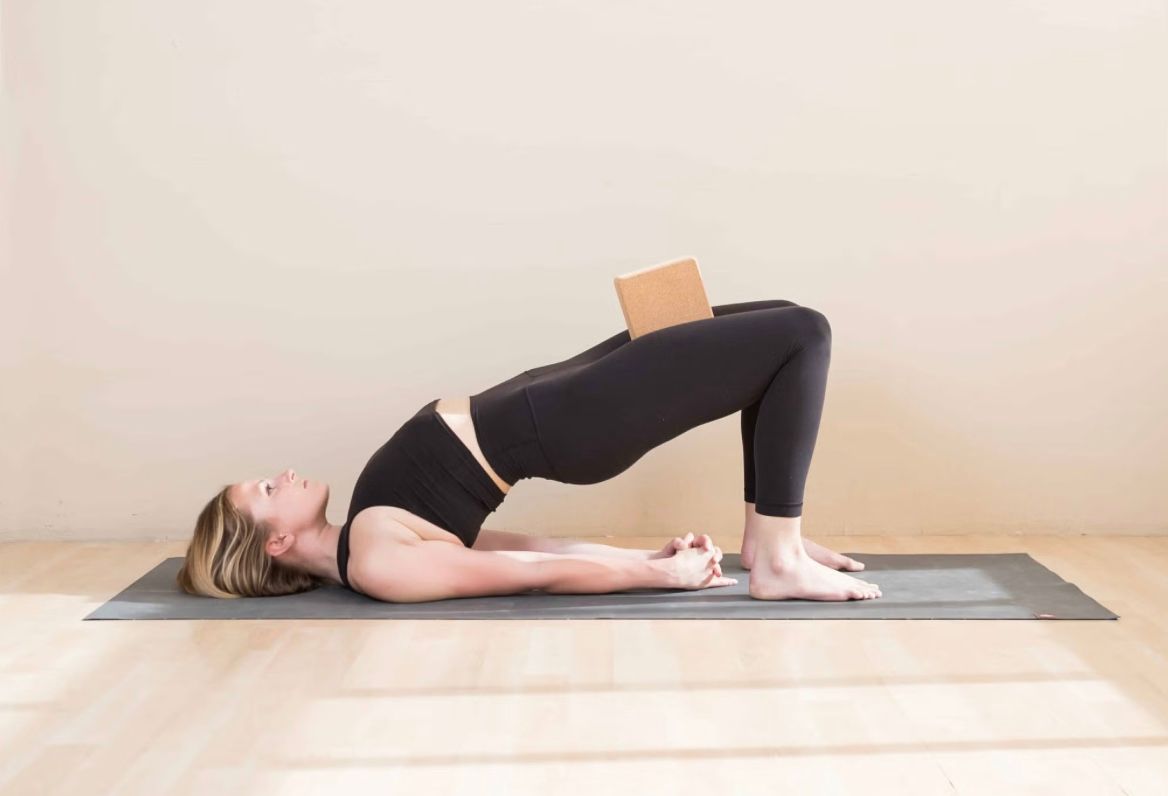
A bridge pose approached as strengthening the adductors with a block between the knees is not the same shape as one approached as a challenging backbend.
The pose may look the same.
The task given to the nervous system is not.
By focusing each class around a clear theme, students arrive with an intention that shapes how their bodies respond. Yoga, like Langer’s research suggests, is not only about what we do — but about how we understand what we are doing while we do it.
Come to my Monday, Wednesday and Friday classes and experience the difference for yourself.
Happy Holidays!
Rob

Rob Walker | DEC 20, 2025
Share this blog post
Rob Walker's Healthy Aging and New Yoga