The Overlooked Key to Hip Health: Why Yoga is Failing to Address Glute Strength
Rob Walker | AUG 9, 2024
The Overlooked Key to Hip Health:
Why Yoga is Failing to Address Glute Strength
Hip arthritis is a significant issue, affecting about 10% of the older population, with nearly 500,000 people in the U.S. and Canada undergoing hip replacement surgery every year. Surprisingly, this includes many dedicated yoga practitioners who are working on hip mobility in their practice. So, where is the disconnect?
Notable yoga teachers such as Rodney Yee, Ana Forrest, Tias Little, Beryl Bender Birch, John Schumacher, Gabriella Giubilaro, Mary Dunn, Carrie Owerko, Jill Miller, and David Swenson have all faced the need for hip replacement surgery. This raises an important question: why does this happen, even among seasoned yogis?
Yoga star Jill Miller told Yoga Journal: “There is a generation of yoga practitioners who are filling the appointment books of orthopedists worldwide. We practiced with devotion, discipline, and dedication for decades. It doesn’t matter whether you were trained in Ashtanga, Iyengar, Sivananda, Kundalini, Power Flow, Bikram, Anusara, or any other style of yoga. The art of yoga asana can create positional wear and tear when not “dosed” correctly. I, like so many others, overdosed on certain poses—and my left hip paid a price.
There are two main factors at play:
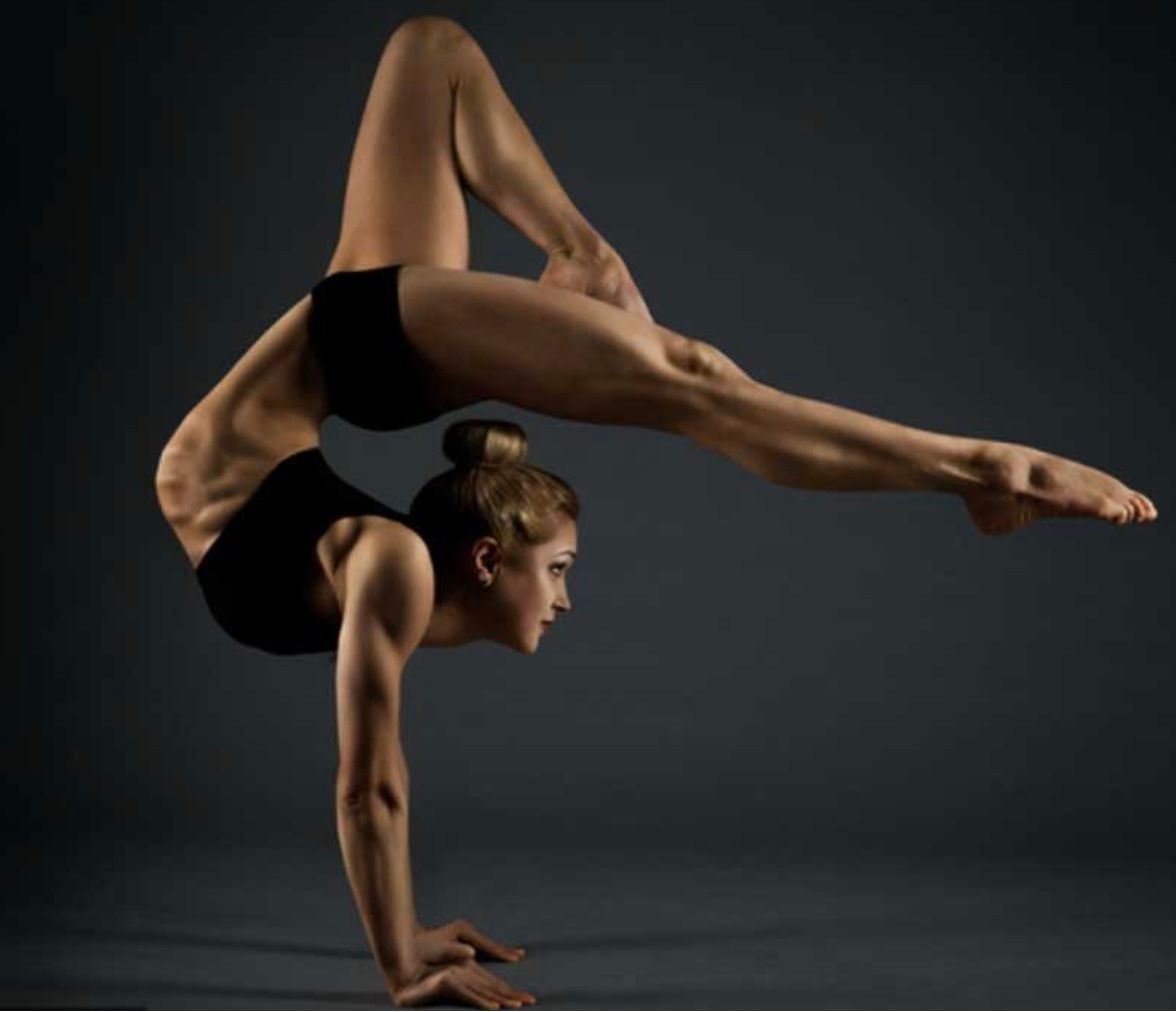
- Overextension and Range of Motion: Many yoga practitioners, especially those deeply involved in their practice, often push their bodies beyond their natural range of motion. Modern yoga is constantly evolving, with ongoing research into biomechanics and healthful practice. Despite this, many advanced practitioners continue to emphasize flexibility at the expense of other crucial aspects of physical health.
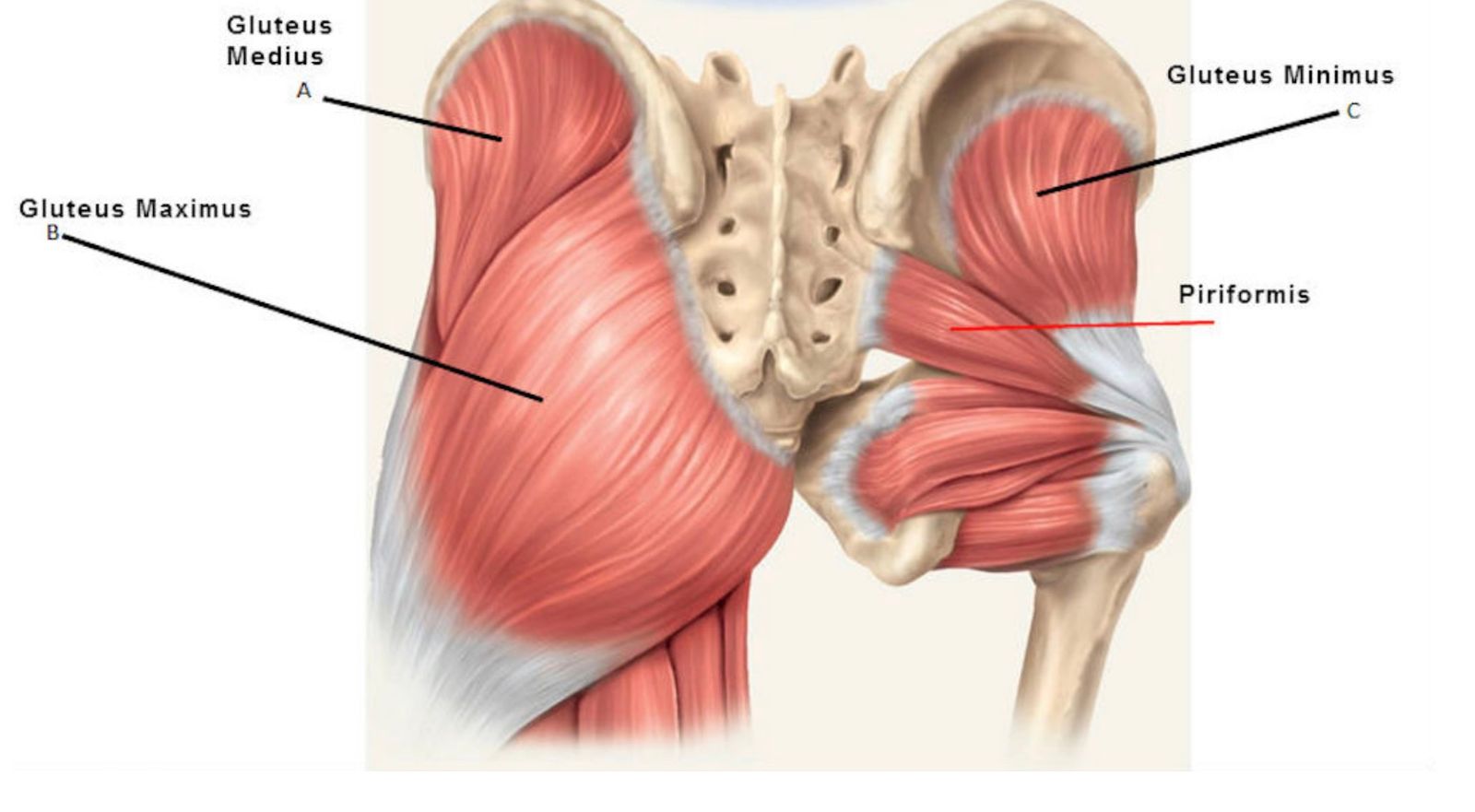
2. Neglect of Glute Strength: Historically, yoga has focused primarily on flexibility and stretching, often neglecting the importance of strengthening the glutes. The glutes are the large muscles that shape the buttocks, and their role in maintaining structural health cannot be overstated. This oversight is explored in-depth in my book, The New Yoga: From Cult and Dogma to Science and Sanity (Chapters 1 & 2).
In my extensive training and experience with yoga, particularly Iyengar and, to a lesser extent, Ashtanga, I have rarely encountered discussions about the importance of glute strength. One of my long-term teachers, though otherwise fantastic, suggested glutes should be "like almonds, not oranges," implying a moderate engagement. However, contemporary biomechanics experts emphasize the importance of fully engaging the glutes, a point often missing from traditional yoga teachings.
Understanding and strengthening the glutes is vital for several reasons:
- Stability and Support: The glutes are crucial for stabilizing the pelvis and supporting the lower back. Strong glutes help maintain proper alignment in various poses, reducing strain on the lower back, hips, and knees.
- Injury Prevention: Weak glutes can lead to compensation by other muscles, such as the lower back and hamstrings, increasing the risk of injury. Strengthening the glutes can help prevent common injuries related to the lower back, hips, and knees. Personally, I believe that my own hip replacement might have been influenced by an overemphasis on engaging tight quadriceps rather than focusing on glute strength.
- Improved Posture: Strong glutes contribute to better posture by helping align the pelvis and spine. This is crucial for maintaining good posture both on and off the mat.
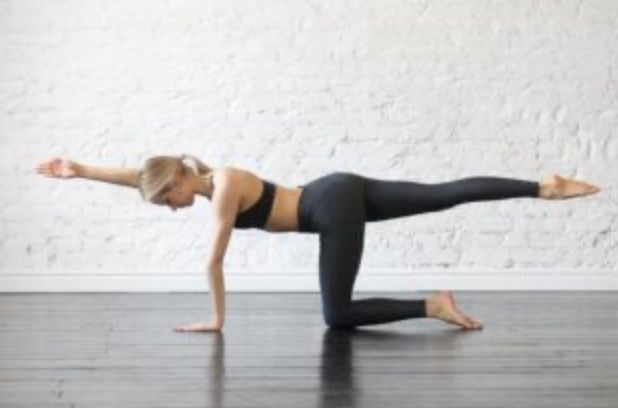
- Enhanced Performance in Poses: Many poses, especially those involving hip extension, abduction, or external rotation (like Warrior III, Bridge, or Chair Pose), rely heavily on glute strength. Strengthening these muscles can improve stability and depth in these poses.
- Balance and Coordination: The glutes are essential for balance and coordination, particularly in single-leg poses. Strengthening them enhances proprioception, or the body's ability to sense its position in space, leading to better balance and control.
- Functional Movement: Strong glutes support everyday activities like walking, running, climbing stairs, and lifting. Incorporating glute-strengthening exercises into yoga can improve overall functional movement, making daily tasks easier and safer.
Modern sedentary lifestyles and prolonged sitting contribute to weak glutes. Biomechanics expert Katy Bowman highlights that many people unconsciously lean forward with each step, rather than using their glutes effectively. Relearning proper walking mechanics—where the leading foot propels us forward with glute strength—is crucial for optimal movement.
This illustration, courtesy of Anya's Reviews shows the point nicely:
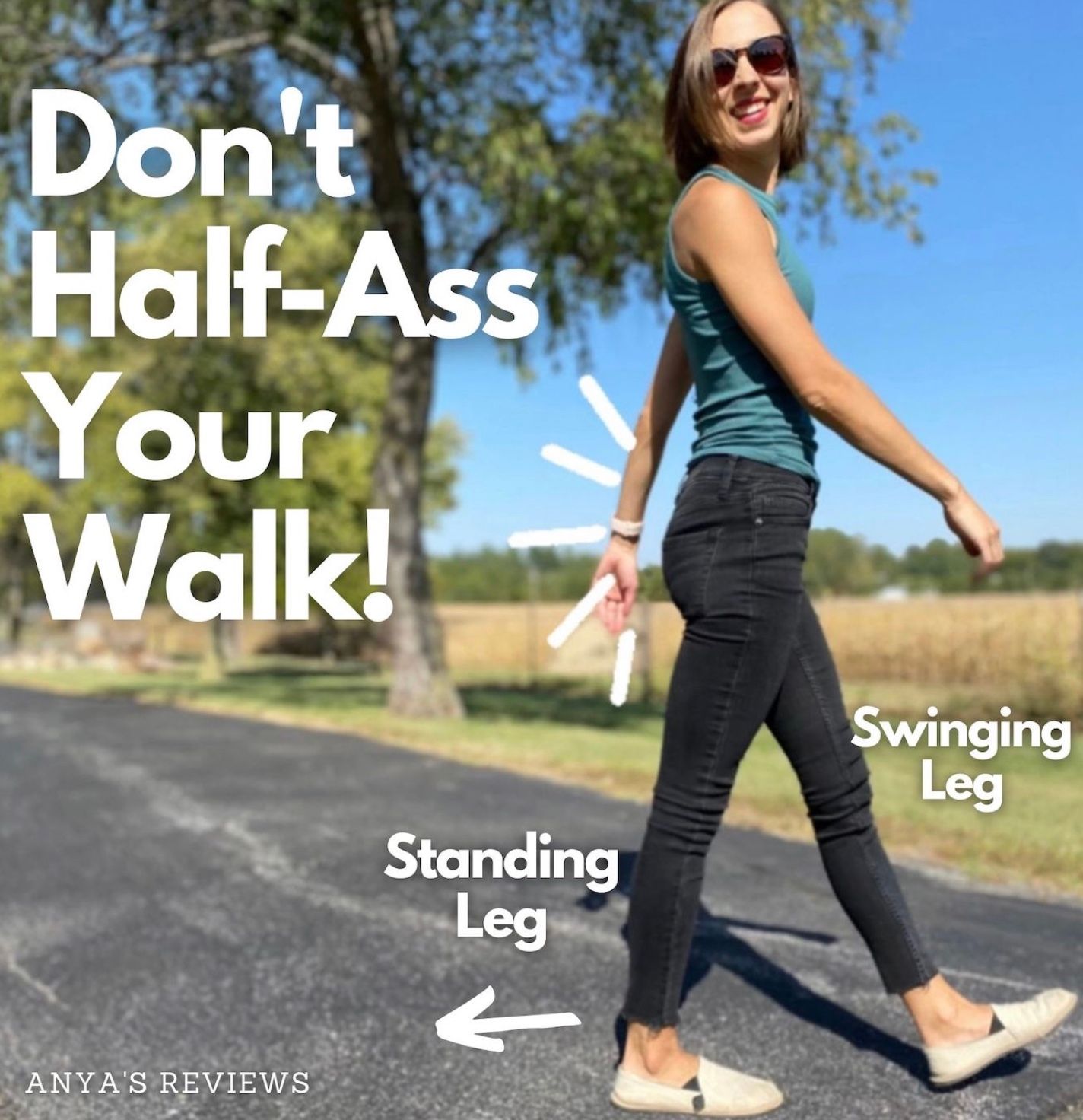
This way of walking, although natural for our ancestors, doesn't come naturally or easily these days and requires concentration to re-learn how to walk correctly.
You can check out my recent class focussing on Yoga for the Glutes here to see how to incorporate Glute awareness into your yoga practice!
Rob Walker | AUG 9, 2024
Share this blog post