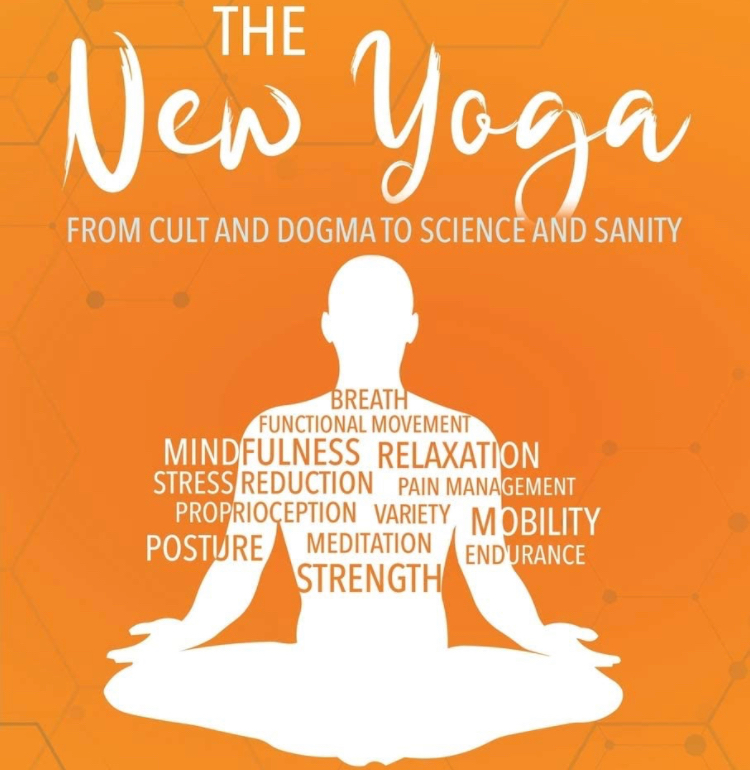
What yoga is about beyond the physical postures?
Rob Walker | APR 2, 2024
Yoga philosophy, rooted in ancient Indian traditions, encompasses a rich tapestry of beliefs, practices, and principles aimed at harmonizing the mind, body, and spirit. While it originated thousands of years ago, its wisdom remains relevant in contemporary society, offering insights into personal growth, holistic well-being, and spiritual evolution.At its core, yoga philosophy seeks to illuminate the interconnectedness of all existence and the innate potential for self-realization within each individual. This journey of self-discovery is guided by the eightfold path outlined in the Yoga Sutras of Patanjali, a foundational text dating back to around 400 CE.The first two limbs of Patanjali's Ashtanga (eight-limbed) Yoga are the Yamas and Niyamas, ethical principles that serve as the moral foundation for the practitioner. The Yamas include non-violence (ahimsa), truthfulness (satya), non-stealing (asteya), moderation (brahmacharya), and non-possessiveness (aparigraha), while the Niyamas encompass purity (saucha), contentment (santosha), self-discipline (tapas), self-study (svadhyaya), and surrender to a higher power (ishvara pranidhana).The third limb, Asana, refers to the physical postures practiced in yoga. While often equated with yoga in the West, the physical aspect is just one component of a comprehensive system aimed at preparing the body for meditation and spiritual growth.Pranayama, the fourth limb, focuses on breath control and regulation. By harnessing the breath, practitioners learn to cultivate awareness, concentration, and vitality, facilitating the flow of prana (life force) throughout the body.The fifth limb, Pratyahara, entails withdrawing the senses from external distractions and turning inward. Through mindful introspection, individuals begin to explore the landscape of their inner world, gaining insight into their thoughts, emotions, and beliefs.Dharana, the sixth limb, involves concentration, the ability to focus the mind on a single point or object. By honing this faculty, practitioners develop mental clarity, stability, and resilience, paving the way for deeper states of meditation.Dhyana, the seventh limb, refers to meditation itself, the practice of sustained awareness and presence. In this state of profound stillness, individuals transcend the fluctuations of the mind, experiencing a profound sense of unity and inner peace.The eighth and final limb, Samadhi, represents the pinnacle of yogic attainment, a state of profound absorption and union with the divine. In Samadhi, the practitioner merges with the object of meditation, transcending the limitations of the ego and experiencing the ultimate reality of existence.Beyond the eight limbs, yoga philosophy encompasses a vast array of concepts and teachings, including karma (the law of cause and effect), reincarnation (the cycle of birth and rebirth), and the concept of dharma (one's purpose or duty in life).Central to yoga philosophy is the recognition of the interconnectedness of all beings and the cultivation of compassion, empathy, and love towards oneself and others. By embracing this holistic perspective, individuals can navigate life's challenges with grace, wisdom, and equanimity.In essence, yoga philosophy offers a timeless roadmap for personal transformation and spiritual awakening, guiding individuals on a journey of self-discovery, self-mastery, and self-realization. Through the practice of ethical living, physical discipline, breath control, concentration, meditation, and surrender to the divine, practitioners can awaken to their true nature and experience the boundless joy, peace, and liberation that lie at the heart of yoga.
Rob Walker | APR 2, 2024
Share this blog post