Yoga: A Great Way to Build Strength!
Rob Walker | MAR 15, 2023
Why Yoga Is Good For Strength

Practice Yoga For Strength, Clicking Here
Strength and Endurance
Yoga is a great way to build strength as it uses your body weight as resistance and focuses on holding and flowing through various poses that target different muscle groups. Here are some ways in which yoga can help build strength:
- Resistance Training: Yoga poses, such as Chaturanga, Plank, and Warrior, require holding your body weight in specific positions, which helps to build muscle strength and endurance.
- Improves Flexibility: Yoga also improves flexibility, which can help to build strength. When your muscles are more flexible, they can work more efficiently and perform movements with greater ease and range of motion.
- Targets Multiple Muscle Groups: Many yoga poses, such as Downward Dog, engage multiple muscle groups at once, making it a great full-body workout.
- Builds Core Strength: A strong core is essential for overall strength and balance. Many yoga poses, such as Boat and Crow, require engaging the core muscles to maintain balance, which helps to build core strength.
- Low Impact: Yoga is a low-impact workout, meaning it is easier on your joints compared to other types of strength training, making it accessible for people of all ages and fitness levels.
Overall, practicing yoga regularly can help build strength, improve flexibility, and increase overall fitness levels.
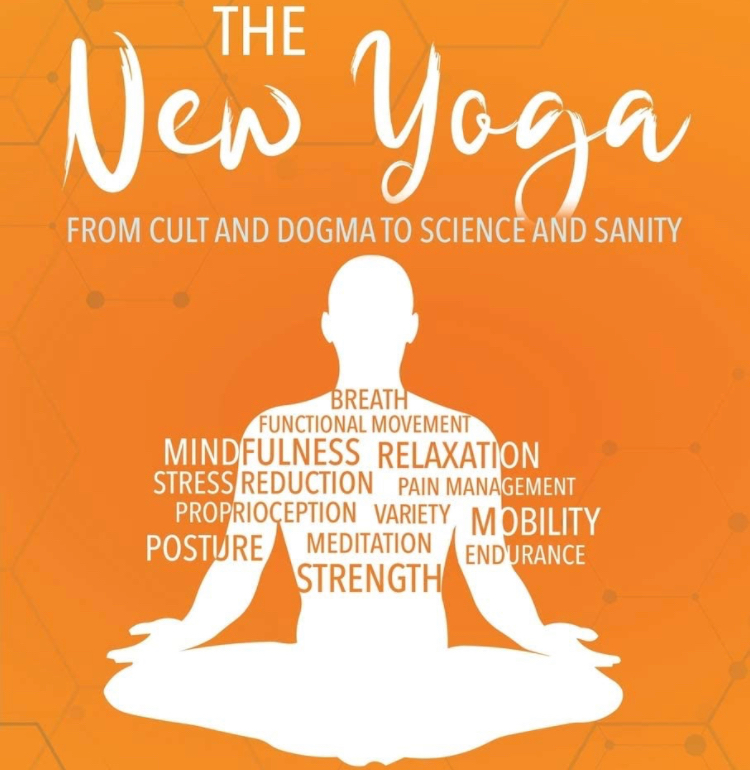
As a BONUS here is an extract on Strength from my book, The New Yoga: From Cult and Dogma to Science and Sanity
Ariele Foster started teaching yoga young and, like many, hurt her shoulder from endless Chaturanga Dandasanas (yoga push ups) in vinyasa yoga. She learned from what is an all too common experience for many.
But unlike most she went on to get herself a doctorate in physical therapy, and with evidence-based knowledge behind as well as her own unfortunate experience, she has become a big advocate of strength in yoga.
“We have over-emphasised flexibility in the yoga community,” she said. “I don’t mean to demonize flexibility but you have to be strong and stable in the entirety of your range and not just strong in a certain range and then just flexible up to the end,” Foster said in the podcast, The Connected Yoga Teacher. She was originally attracted to yoga for its large range of movements and avoiding repetitive stress. “The potential for huge variety in yoga is really great and one of the reasons why people feel such therapeutic benefits.”
Gaining strength and endurance is a good thing but has to be approached gradually. “Safe strength building comes from progressive loading.” Remember that phrase, progressive loading: it’s a key factor in injury free yoga. If you went to a gym you would not bench press more than 100 pounds from the get go. But in an all levels yoga class you are expected to do Chataranga Dandasana, lowering your whole body weight, she said. Crazy! Strength and endurance is important for a number of reasons, they helps you lose weight, are healthy for your heart and protect your joints and back.
Yoga may not be your first thought when considering building strength. But standing on one leg in Virabhadrasana III (warrior three pose), supporting your body weight in Bakasana (crane pose) or doing Dolphin push ups (down dog on the forearms) all use the body weight to build strength. And there are many more poses that do the same thing: Phalakasana (plank), Vasisthasana (side plank), Adho Mukha Vrksasana (hand balance) and Lolasana (pendant pose) – just to name a few.
The amazing strength also comes with a leaner, somewhat healthier look with better posture. When I hit the gym for personal training, I am sometimes shocked at how unhealthy some of the gym rats look, despite their bulging muscles. Rounded shoulders and kyphosis are two of the commonest issues I notice.
Unlike gym fitness, yoga moves your body in the ways it was designed to move to help ensure that it keeps functioning properly. For example, in yoga you use both large and small muscles and move in many directions (twisting, arcing, etc.), not just back and forth on a one-dimensional plane, as in the forward-back motion of a bicep curl. Yoga tones muscles all over your body, in balance with each other.
Weight training exercises typically isolate and flex one muscle or muscle group at a time. Yoga relies on eccentric contraction, where the muscle stretches as it lengthens, giving the muscles that sleek, elongated look while increasing flexibility in the muscles and joints. For some, weight training relies on the opposite physical principle of concentric muscle contraction, which means the muscle gets smaller as it contracts.
Without proper stretching, the muscle fibres heal close together, giving the muscle that compact, bulging look, body builders love.
But the body builders look of contracted muscles brings with it shoulders bound inflexibly tight. I once challenged a young muscular reporter from a college newspaper who came to interview me with doing Pinca Mayurasana (an inverted forearm balance). Although he had enormous upper body strength, he lacked the flexibility in his shoulders to lift his head up off the floor and he slumped helplessly in a nose plant! While I was not as strong in the gym sense I was able to pop up into the pose with ease from that combination of strength and flexibility.
Sometimes my students grimace because I like to hold poses like plank, side plank and other strength poses for a longer time to build endurance. And that endurance component brings additional benefits, according to evidence-based expertise.
“Improving your endurance can make your cardiovascular and respiratory systems more efficient and decrease both your resting heart rate and stress levels; it can also increase your metabolism, help you maintain a healthy posture, reduce fatigue, and prevent injuries and back problems,” says Robert F. Zoeller, Ph.D., an assistant professor of exercise physiology at Florida Atlantic University in an April 2017 Yoga Journal article.
Clayton Horton, director of Greenpath Yoga Studio in San Francisco and a former triathlete and competitive swimmer sums it up well in the same article. He says that yoga improves endurance by helping athletes relax, preserve energy, and better concentrate—especially in demanding circumstances. "Yoga gives you the mental strength to be still and to concentrate in the midst of a difficult pose or while your muscles are burning," he explains.
Rob Walker | MAR 15, 2023
Share this blog post