
Yoga and the Lymphatic System: Keeping the Body’s Hidden River Flowing
Rob Walker | OCT 28, 2025
Yoga and the Lymphatic System:
Keeping the Body’s Hidden River Flowing

The lymphatic system is like the “Cinderella,” the unsung hero of human physiology — quietly essential yet overshadowed by the glamour and attention given to the heart and circulatory system. While we celebrate the heartbeat as life’s rhythm, the lymphatic system works invisibly – but critically – in the background, collecting cellular waste, supporting immunity, reducing inflammation and keeping our tissues clean and balanced.
But unlike the heart, it has no pump. Its movement depends entirely on movement – muscle action, body position, and the subtle pressure changes created by breathing. And this is precisely where yoga shines.
The Forgotten Flow
When we move, stretch, and breathe deeply, every muscle contraction and joint movement acts like a gentle pump pushing lymph through its network of vessels. In stillness — or in the sedentary lifestyle of modern life — that system slows with negative consequences. Yoga, especially alignment-based movement done with awareness, supports the natural rhythm of this hidden river.
Even simple postures practiced mindfully gives a vital push to lymphatic flow and resulting health and energy. You don’t need intensity — you need intelligent, varied movement.
Breath as the Inner Pump
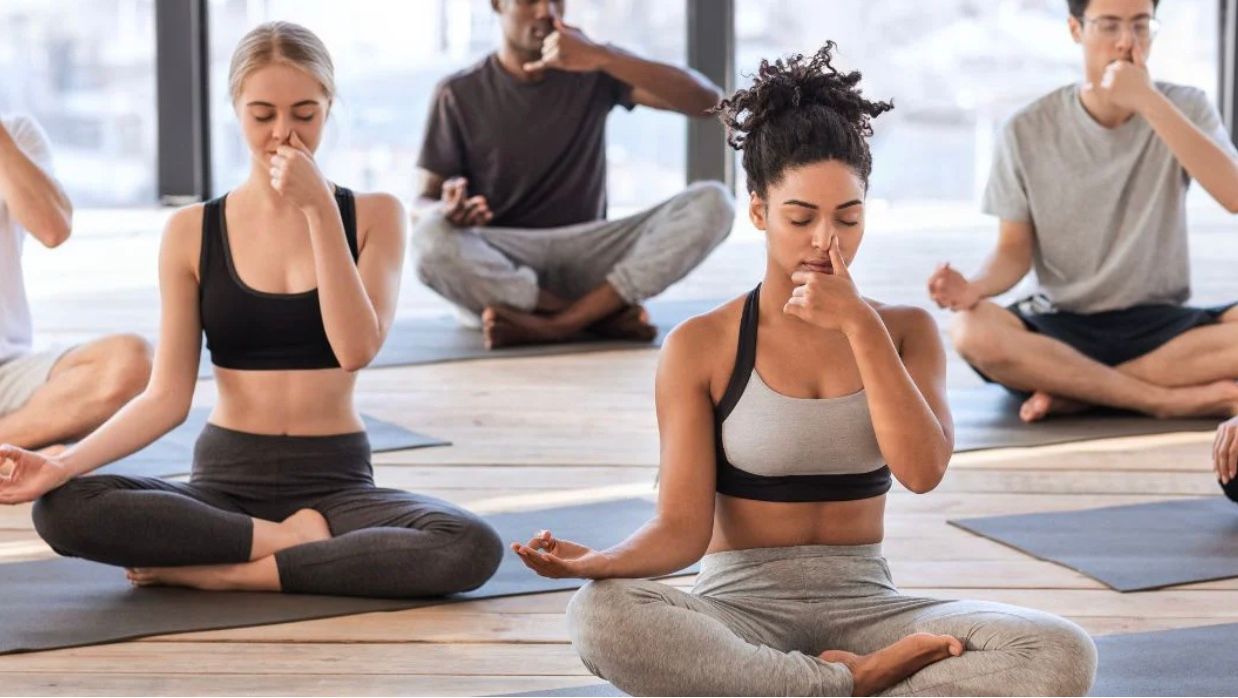
Deep, diaphragmatic breathing is one of the most powerful stimulators of lymph flow. Beneath the diaphragm lies the cisterna chyli, a major lymphatic collecting reservoir. Each slow inhalation and exhalation acts like a piston, creating pressure changes that move lymph upward through the thoracic duct - the final drainage channel that returns cleansed lymph back into blood circulation.
Pranayama — particularly gentle Ujjayi or slow abdominal breathing — massages this internal reservoir. It’s a reminder that the breath doesn’t just oxygenate the body; it cleans it.
Poses That Support Lymphatic Flow
- Adho Mukha Virasana (Downward Facing Hero) and Adho Mukha Svanasana (Downward Facing Dog) provide mild inversion, aiding lymph drainage from the legs.
- Dandayamana Bharmanasana (Bird-Dog Pose) and Phalakasana (Plank Pose) strengthen the trunk while creating rhythmic compression in the limbs and torso.
- Setu Bandhasana (Bridge Pose) opens the chest, encourages deep breathing, and gently compresses abdominal organs — a triple benefit.
- Parivrtta Trikonasana (Revolved Triangle) or Jathara Parivartanasana (Supine Twist) wring the tissues like a sponge, promoting the release of stagnant fluid.
- Viparita Karani (Legs Up the Wall) and supported Ardha Halasana (Half Plough) use gravity to assist lymphatic return while soothing the nervous system.
- Restorative postures, with long, steady breaths, calm the stress response, helping the lymphatic and immune systems operate at their best.

The Bigger Picture
A healthy lymphatic system means more than a strong immune system — it means vitality, reduced inflammation, and clarity of mind. Yoga’s gentle, regular movement and conscious breathing keep this silent system flowing.
So the next time you come to my class, imagine awakening your body’s hidden river. The pulse of health isn’t only in the heart — it’s in the quiet movement of this unsung, self-cleaning system that yoga helps maintain.
Rob

Rob Walker | OCT 28, 2025
Share this blog post
Rob Walker's Healthy Aging and New Yoga