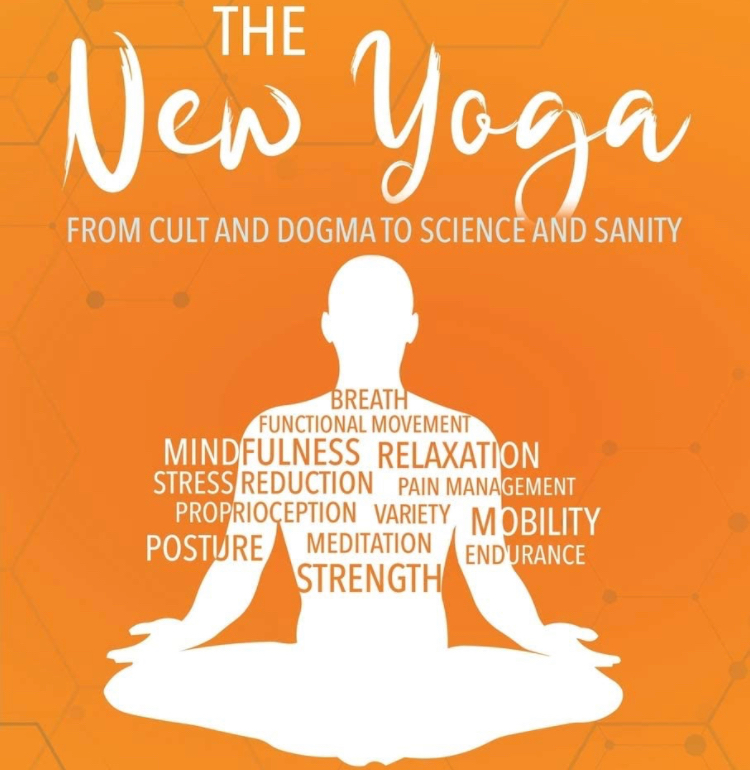
Yoga for Great Posture! One
Rob Walker | MAR 7, 2023
Yoga for Posture
Practice Yoga for Good Posture, Clicking Here
“Our way of standing (in yoga) is steady and poised, our legs are firmer, and our toes and feet spread out, giving us more stability . . . To watch these enchanting changes is amazing . . . A different life begins and the body expresses a happiness never felt before. These are not just words; it actually happens.” Vanda Scaravelli, Awakening the Spine, on the benefits of yoga for posture
Yoga can help with good posture in several ways:
- Strength and flexibility: Certain yoga poses, such as the Downward-Facing Dog (Adho Mukha Svanasana) and the Warrior (Virabhadrasana) poses, help to strengthen the muscles in the back, neck, and spine, which can improve posture. Other poses, such as the Cobra and the Cat-Cow stretch, help to increase flexibility in the spine, which can also contribute to better posture.
- Mindful breathing: Yoga emphasizes the importance of deep, slow breathing, which can help to improve posture by relaxing the muscles and allowing the spine to align properly.
- Body Awareness: Yoga can help you become more aware of your body and how you hold yourself, allowing you to make conscious changes to your posture throughout the day.
- Core Strength: Many yoga poses require you to engage your core muscles, which can help to support good posture by stabilizing the spine and promoting proper alignment.
In summary, the combination of strength, flexibility, mindfulness, and core strength gained from practicing yoga can all contribute to better posture, making it an effective way to improve and maintain proper alignment of the body.
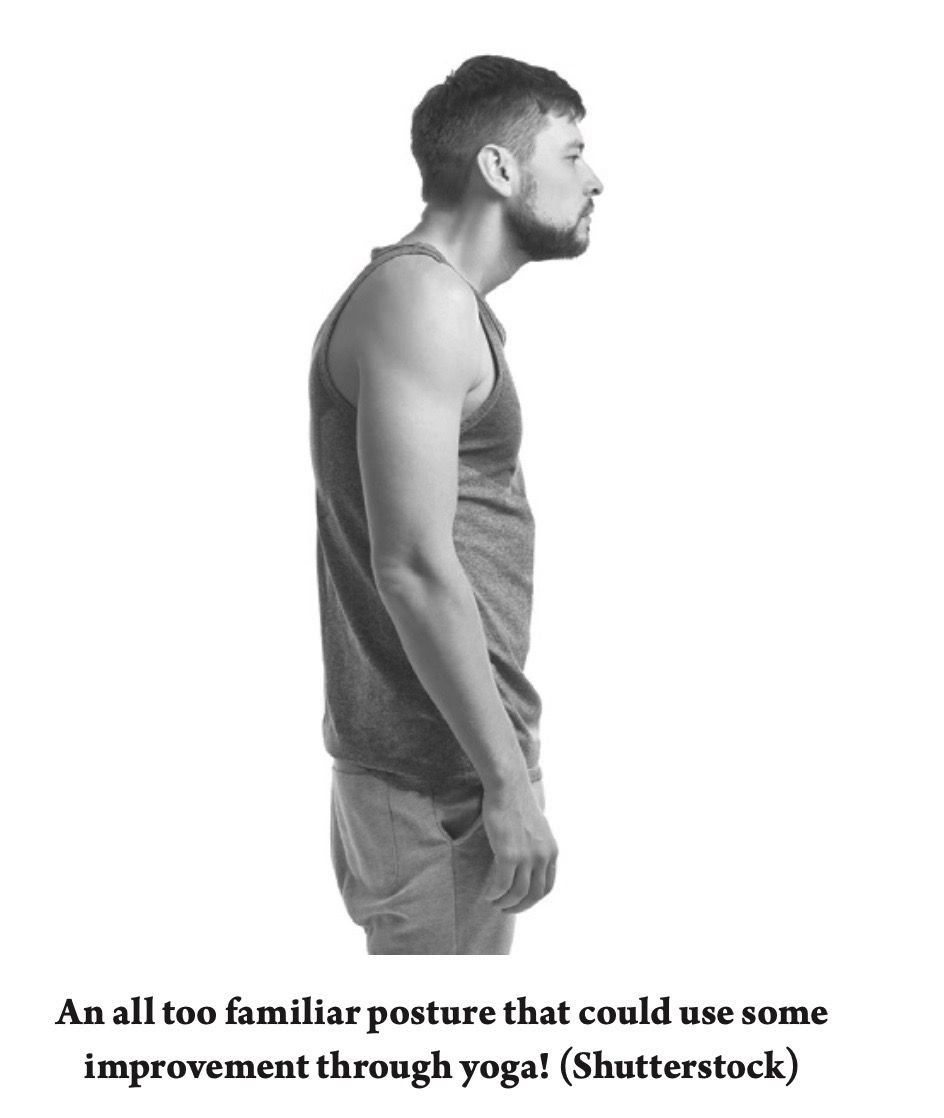
When I go to the gym I see many people who look really strong in the areas they are training in, biceps, quads, calves etc. But put together their rounded shoulders, collapsed chest and forward head tilt and they all point to poor posture.
They illustrate that even among those committed to good health; posture doesn't get the attention it deserves. The spine is the central channel of the nervous system, and when your spine is healthy, the pathways of the nervous system are healthy, enabling maximum vitality and wellbeing.
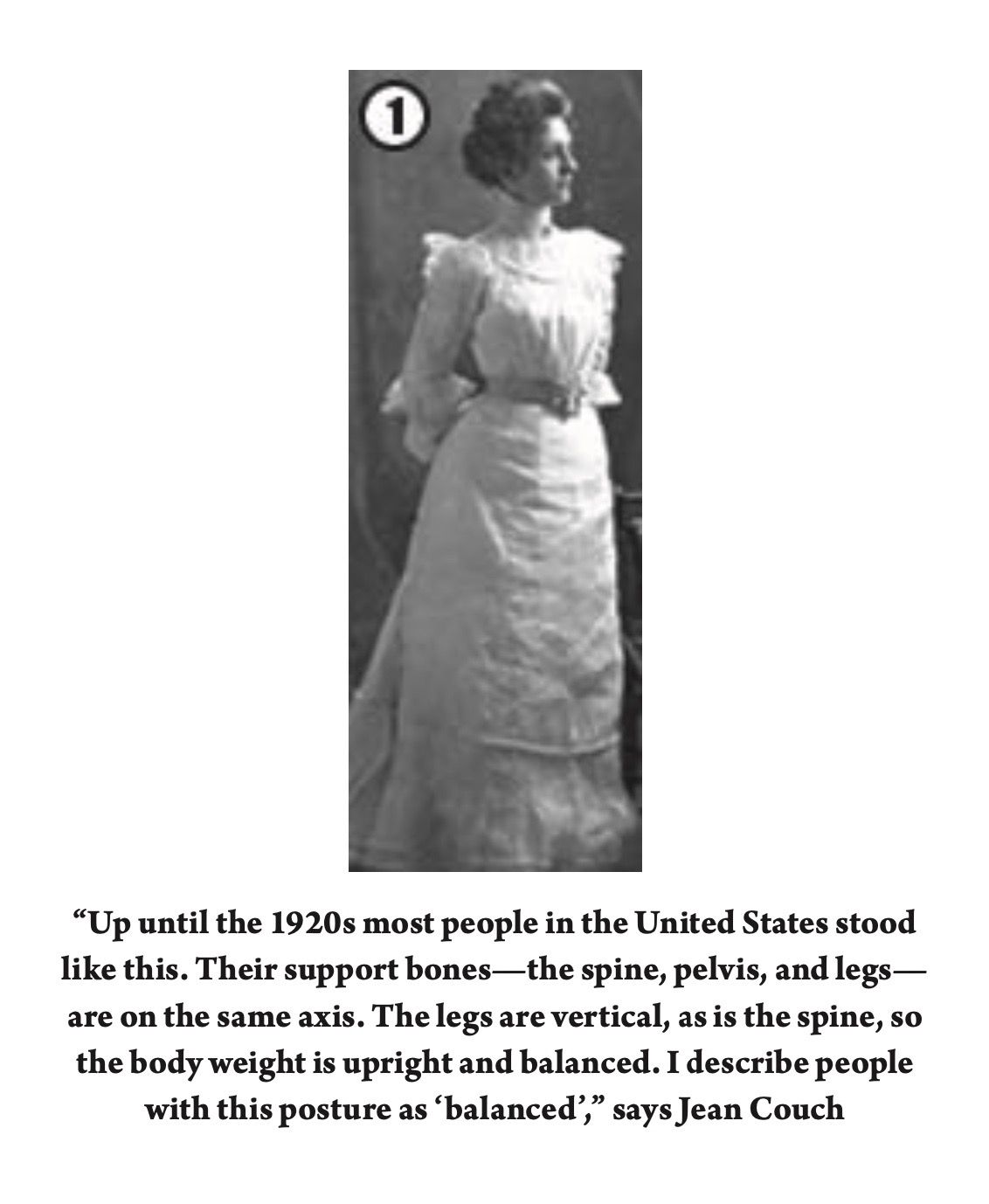
Unfortunately what is widely seen as “poor posture” has been fashionable since the start of Hollywood in the 1920s, says Jean Couch, author of The Runners Yoga Book (2006), who continues to teach better posture into her mid-70s.
Then, it became fashionable for the first time to shift the weight on one leg and throw the hip out to the side with an implied rejection of strait-laced Victorian values. Photos of early settlers in the 19th century show people still standing tall with even weight on each leg (which yoga would call ‘Samastiti.’)
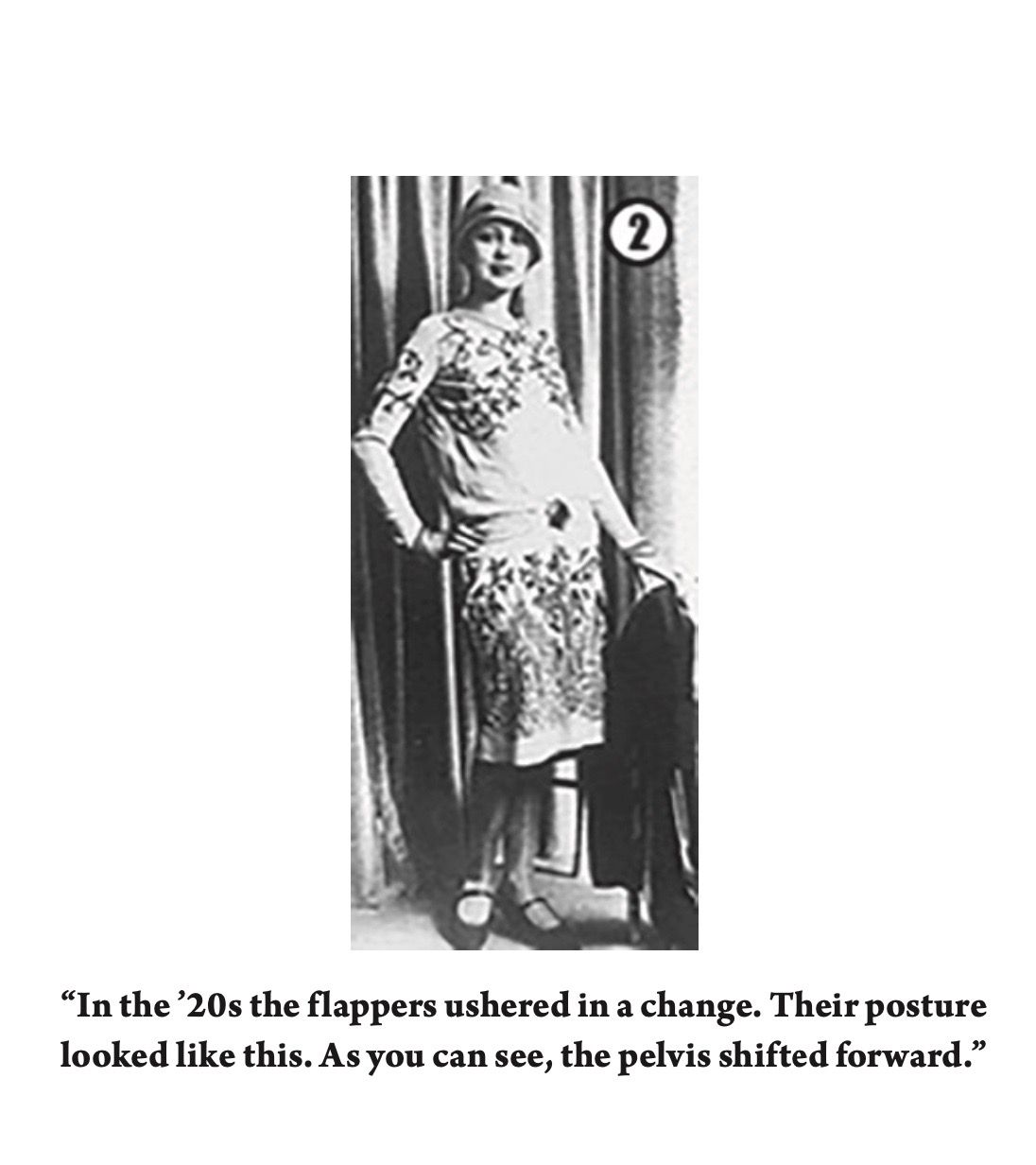
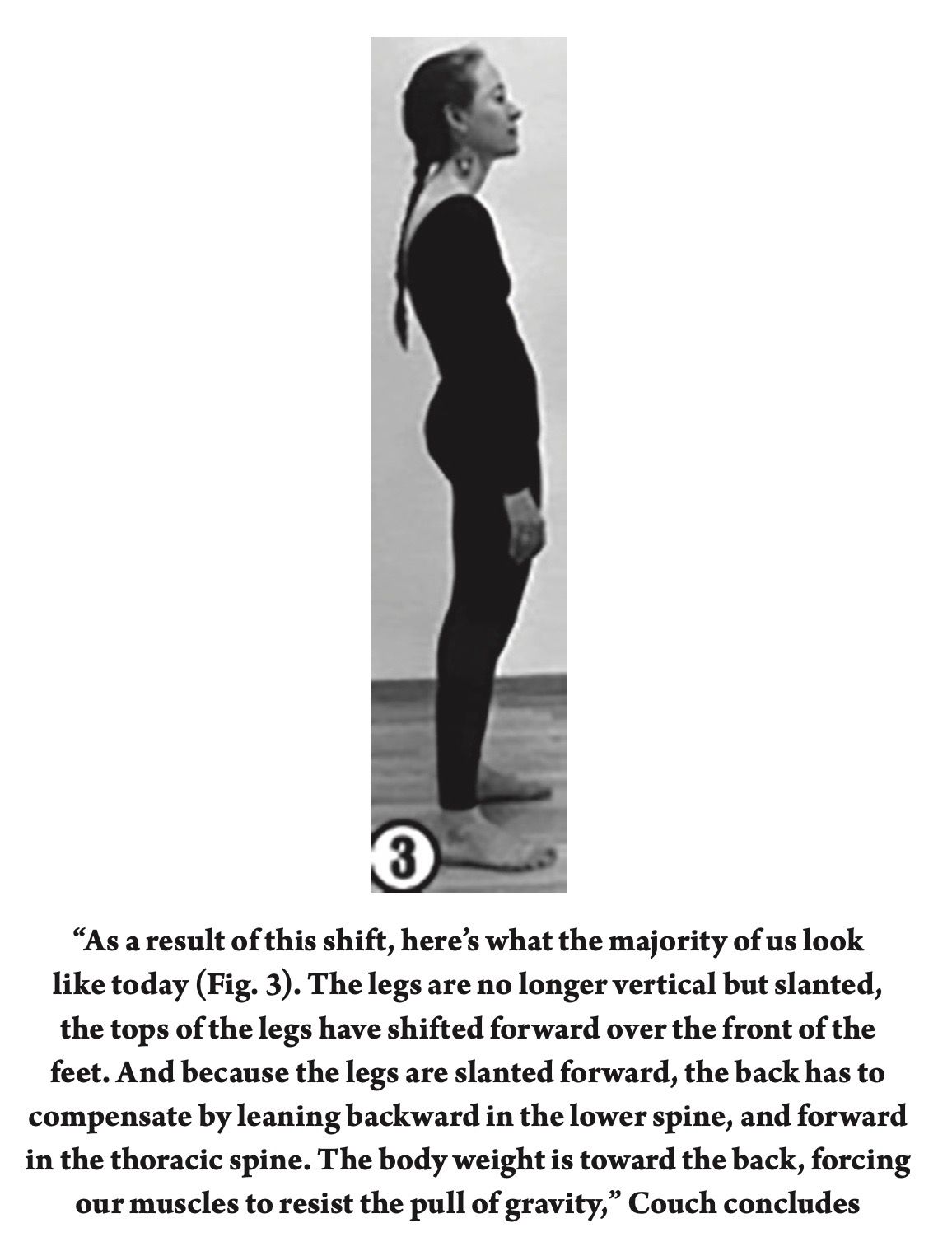
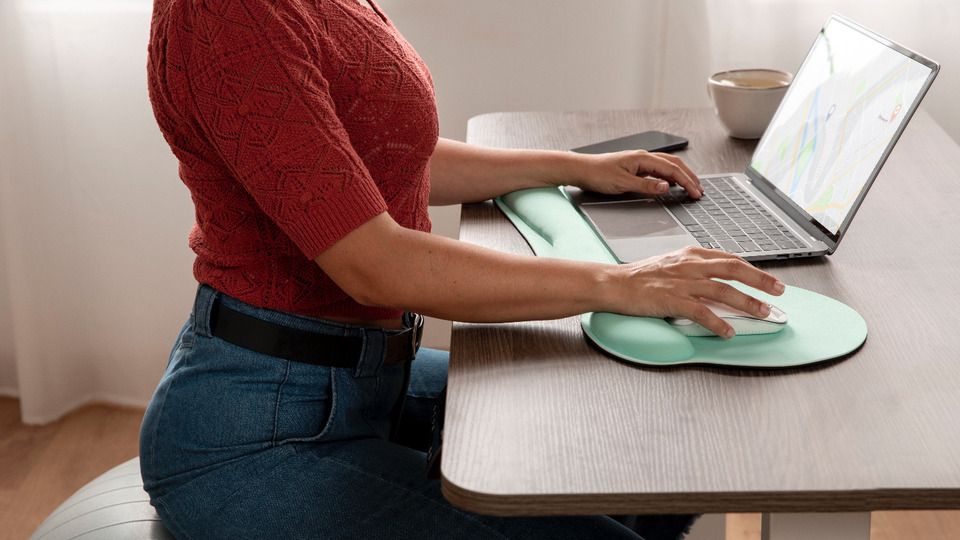
This has been compounded by the introduction of the computer, followed specifically by the laptop and then, more insidiously still, the arrival of the smart phone just over 10 years ago. These arrivals threaten to leave us all with diminished cervical curve and increased kyphosis. This postural decline is supported by an increasingly sedentary lifestyle where Alexa can switch on the light, turn up the temperature and a host of other tasks.
Research has shown that yoga practice can improve bad posture and even help with kyphosis - dowager's hump. According to YogaUOnline improving posture can help you:
1. Feel Better. People with a good posture and healthy, strong back are generally happier, more confident, and have more energy; they may even be less prone to worry, depression, and anxiety.
2. Prevent Chronic Pain. Keeping your back flexible. Correcting posture imbalances can be an effective prevention and treatment for back pain
3. Live Longer. People with deteriorated, hunched posture (hyper-kyphosis or dowager’s hump) are more prone to fractures and more likely to lose balance and function as they age. A chronic, hunched posture restricts breathing, creating shortness of breath. In the elderly, this is associated with increased anxiety and depression, and is considered a main factor of general health deterioration in the elderly. Older men and women with a forward hunched posture have higher death rates – as much as 44% higher.
Poor posture is not only unflattering, then, but also apparently bad for our health. Yoga, more than other physical disciplines, can focus on maintaining or improving posture, not only from the asanas themselves, but also from the mindfulness and interoception.
Gil Solberg, an Israeli, yoga and anatomy instructor and author of Postural Disorders and Musculoskeletal Dysfunction (2007), stresses the need to focus more on the segmental mobilization of the spine, specifically the thoracic spine, which is quite a stiff area in many people. “What I found in the past few years has to do with the big connection between breathing problems and postural problems,” he says in an interview on YogaUOnline. “No matter what your age, posture is a much overlooked key to health and well-being. Postural imbalances lead to extra wear and tear on the muscles and skeletal system, which in turn are likely to result in joint dysfunction and chronic pain over time.” Solberg, one of the world’s leading experts on posture and yoga, says posture disorders may also impair the normal functioning of the internal body systems. A slumped or imbalanced posture can put pressure on the chest cavity, impairing the respiratory system and digestive system. Chronic tension patterns from posture imbalances can affect the smooth flow of the circulatory and nervous system as well. “Yoga is one of the most effective ways to improve posture, and the earlier you start, the better,” he says.
Like The New Yoga, Mary Bond, author of The New Rules of Posture, has a message of hope, that deteriorating posture is not an inevitable consequence of aging. Bond attributes back pain, headaches, sore shoulders, digestive problems and urinary incontinence to bad posture.
Like Golberg, she focuses on how beneficial yoga can be to posture through conscious breathing. “Healthy breathing fosters healthy posture and graceful movement . . . When better breathing improves your posture, your better posture makes movement feel more fluid,” she says encouragingly. Not surprisingly, she favors Iyengar Yoga for better posture, particularly when students are starting out. Yoga teachers trained in the Iyengar style are particularly well equipped to teach in a manner that fosters healthy posture because of the focus on joint alignment and muscular balance, she says.
Bad posture can have a significant impact on people’s mental states, I believe. I taught yoga to teenage girls in a school setting. Emphasizing the connection between poor posture and depression and lack of self-confidence was well received. Yoga teacher and writer, Stacey Ramsower, agrees. In an article in Yoga International (2018), she says a crouched or slumped posture can suggest to the nervous system that you’re hiding from an attack (rather than just staring at a computer screen). “In other words, your posture gives your brain a lot of information about how to behave and what hormones to supply the body. And if you’re frozen with a crimped, collapsed torso, it’s likely that the internal conversation isn’t contributing to a mental state of ease or lightness.” Staying that way for long period on your laptop or IPhone may well leave you feeling anxious instead of relaxed.
In addition to limited breathing and habitual poor posture, she cites a number of other negative physical effects that can result from sitting in what she calls, “computer posture,” including pressure on the cervical spine, compression of the lumbar spine and tightening of the psoas. She recognizes the power of yoga, in this case Yin Yoga, to help reverse the damage our culture of does to our health. Yin Yoga, she believes, through the application of sustained pressure can progressively restore frozen areas of the body to a supple, pliable, and adaptable state.
One of the great yoga teachers of the twentieth century, Vanda Scaravelli, says in her beautiful book, Awakening the Spine(1991), that practicing yoga transforms us through postural improvements: “Our way of standing is steady and poised, our legs are firmer, and our toes and feet spread out, giving us more stability . . . To watch these enchanting changes is amazing . . . A different life begins and the body expresses a happiness never felt before. These are not just words; it actually happens.”
Practice Yoga for Good Posture, Clicking Here
Rob Walker | MAR 7, 2023
Share this blog post