Notice what you feel! It might be a life saver! What is Interoception?
Rob Walker | MAR 30, 2023
Interoception: One of Yoga's Greatest Unspoken Gifts

Check out the Yoga For Interoception Class Here and the YouTubeVideo Here
Growing up going to a British boarding school I was trained to ignore feedback from my body in the rough and tough world of rugby football and the hurly burly of evolving so-called manliness. It cost me a number of times in my yoga career as I pushed for difficult poses as I ignored the signs of pain that warn us of imminent injury!
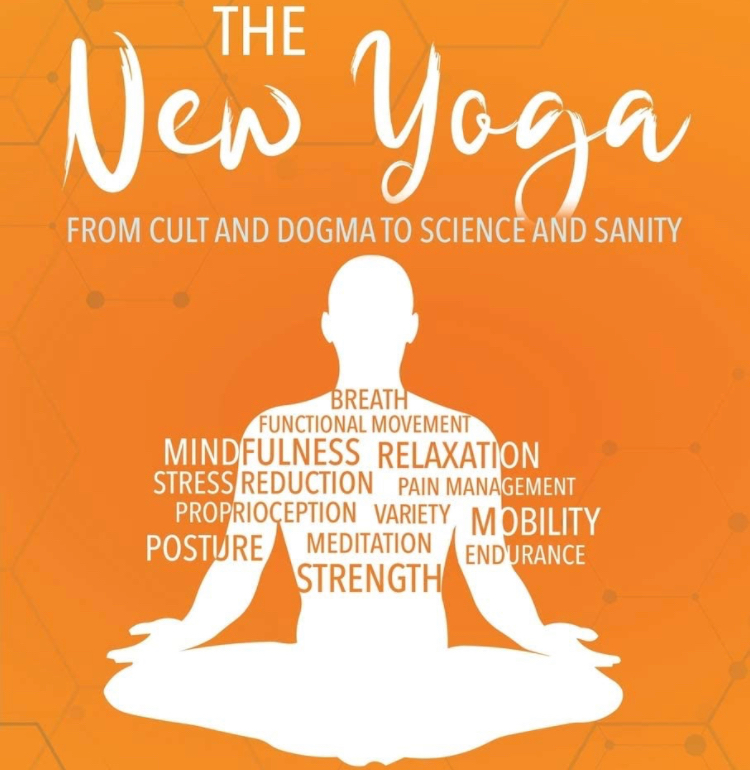
That's one of a number of reasons why I eventually wrote The New Yoga: From Cult and Dogma to Science and Sanity, which ranks something called Interoception as worthy of a whole chapter (5) with its sister benefit, Proprioception.
Interoception is the ability to recognize and understand the sensations that arise within our body. In the context of yoga practice, Interoception is an essential skill that can help practitioners become more aware of their physical, mental, and emotional states.
When we tune into our interoceptive awareness, we become more present and grounded in the moment, and we can better understand our bodies and minds.
Interoception can be developed through mindfulness practices, such as body scanning, breath awareness, and mindful movement. As yoga practitioners, we have a unique opportunity to cultivate interoceptive awareness during our practice. By paying attention to the sensations that arise during each posture, we can develop a deeper understanding of our bodies and minds.
Noticing what we are feeling during yoga practice can help us avoid injury and prevent overexertion. By paying attention to the signals our body sends us, we can adjust our practice accordingly and make modifications when necessary. For example, if we notice discomfort or pain in a particular area of our body, we can modify our practice or choose a different posture altogether to prevent injury.
Beyond physical safety, interoception can also help us tune into our emotional and mental states. By noticing what we are feeling during our practice, we can better understand how our emotions and thoughts affect our body. For example, if we notice that we are feeling tense or anxious, we can focus on our breath and use it to calm our nervous system. By developing interoceptive awareness, we can become more attuned to our emotions and thoughts and better able to manage them.
Interoception also has broader implications beyond our yoga practice. As we become more aware of our physical, emotional, and mental states, we become more attuned to the world around us. We become better able to empathize with others, and we can cultivate more meaningful relationships. We also become more aware of our impact on the environment and can make more conscious choices about our consumption and waste.
Developing interoception takes time and practice, but the benefits are well worth the effort. By tuning into our bodies and minds, we can become more present, grounded, and self-aware. We can develop a deeper understanding of ourselves and the world around us, and we can cultivate more meaningful connections with others.
So, in conclusion, as yoga practitioners, developing interoceptive awareness is an essential skill that can help us become more attuned to our bodies, minds, and emotions. Through mindfulness practices, we can cultivate interoceptive awareness and use it to prevent injury, manage our emotions and thoughts, and become more present and grounded in our daily lives. With practice, we can develop a deeper understanding of ourselves and the world around us, and cultivate more meaningful relationships with others.
Rob Walker | MAR 30, 2023
Share this blog post