Yoga For Your Osteoporosis
Rob Walker | FEB 7, 2023
Yoga: Proven Help For Osteoporosis!
It's shocking that more than 50 percent of North Americans over age 50 have osteoporosis or the milder osteopenia. But yoga is proven to not only stop its progression, but actually reverse the disease!
Osteoporosis can affect us as we age, weakening bones to the point that they can break easily. It is called a “silent disease” because people who develop it may not notice any changes until a bone breaks — usually a bone in the hip, spine, or wrist. Bones are made of living tissue. To keep them strong, a healthy human body breaks down old bone and replaces it with new bone. Osteoporosis develops when more bone is broken down than replaced.
Dr. Loren Fishman, an Iyengar Yoga Teacher and rehab doctor did a pilot study involving individuals with an average age of 68. They were given a bone mineral density (DEXA) scan, then half were taught yoga for two years. Then they were all given another scan. Those doing his yoga classes, not only did not lose bone, they actually gained bone. The ones who didn't do yoga continued to lose a little bone, as would be expected.

You can take a recorded class here on this website based on Dr. Fishman's protocol. Just click here for the link and see the class plan at the bottom of this page.
If you have osteoporosis or osteopenia follow these recommendations by Dr. Fishman:
Avoid forward folding poses where the spine rounds over. Rather keep the front spine extended to its length and flex at the hip joint. (Also excellent advice for anyone who suffers with back pain.)
Make your legs strong by practicing standing poses and holding each pose for 30 seconds. When balance is an issue have a chair nearby or stand next to a wall for support.
Add poses to extend the side body like a crescent moon Anjaneyasana, or Parighasana, gate pose or extended side angle pose Uttitha Parsvakonasana. Do your best to avoid collapsing the lower side of your spine. Both sides of the spine need to stay long.
Include twisting poses. Not all twisting poses, but the ones that allow you to keep the length in your spine.
Even though you will find twisting poses for osteoporosis controversial, my years of experience teaching yoga matches that of Dr. Fishman‘s. He says says that in all his research, he has never seen twisting poses cause fractures. “Twisting poses would be helpful in order to put some pressure on the spine. The bones respond to the pressure by building more bones. You want to put pressure on the bones, but you don’t want to put too much pressure on the vertebrae,” says Fishman. Mild twists like the seated twisting poses apply gentle pressure to the bones without harming the vertebrae.
Practice poses that extend the spine, such as Salabasana, locust pose. Extension poses were recommended in a Mayo Clinic study that suggested that spinal extension exercises (gentle backbends) are safer than flexion exercises (forward folds) in reducing the risk of fractures in osteoporosis, and that strong abdominal curls are to be avoided.
Although spinal extensions are recommended for osteoporosis prevention, they are the more difficult poses to teach and practice. We must first cultivate the length and suppleness of the spine before doing those. Attempting to extend the spine without length creates compression in the facet joints and discs along the spine and could result in back pain.
Ref: https://yogawithlillah.com/yoga-to-prevent-osteoporosis-key-points-to-optimize-bone-health/
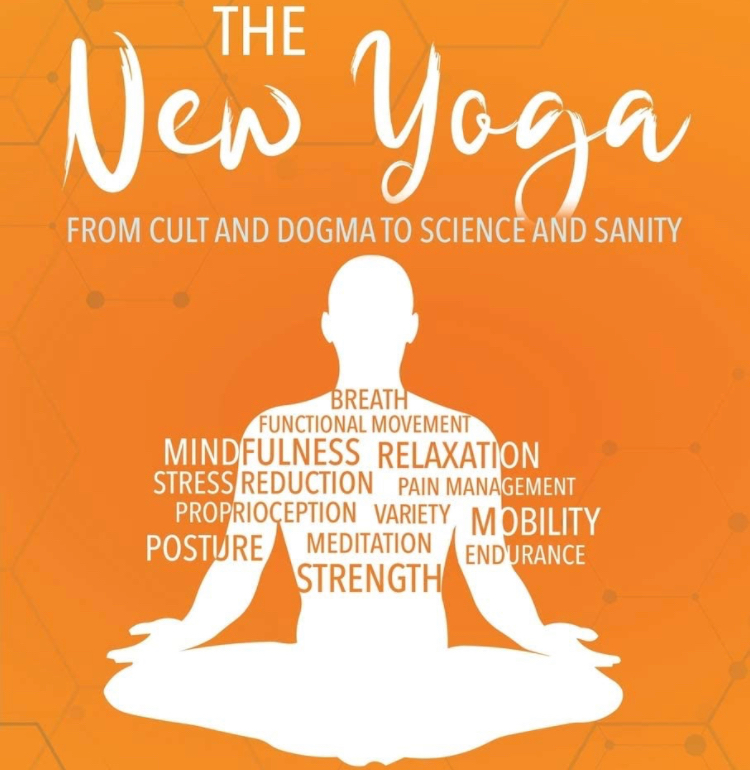
My adaptation of Dr Fishman’s osteoporosis class. Words underlined indicate the benefits of the pose emphasized in my book, The New Yoga.
You can take a recorded class on yoga for osteoporosis here
Poses in italics are his from his research protocol available on YouTube:
Virasana - Proprioception
Tadasana - Posture
Vrksasana - Balance
Trikonasana - Proprioception
Ardha Chandrasana – Strength and Balance
Virabhadrasana I – Strength and Endurance
Virabhadrasana III – Strength, Balance and Endurance
Virabhadrasana II – Strength, Balance and Endurance
Parsvakonasana – Stretching and Lengthening
P Trikonasana - Balance, Stretching
Uttitha Hasta Padangustasana – Balance, Posture
Table top - Proprioception
Phalakasana – Endurance and Proprioception
Setubhandasana – Variability Back Health
Salabasana -
Dhanurasana
Ustrasana (high version) – Variability
Marichyasana III or Uttitha Marichyasana – Extension through Proprioception
Ardha Matsyendrasana Ditto
Supta Padangustasana I II - Interoception
Urdhva Prasarita Padasana with strap around the front of heel
Viparita Karani with strap around the heel - Interoception
Savasana – Breath Awareness and Improved breathing
Rob Walker | FEB 7, 2023
Share this blog post